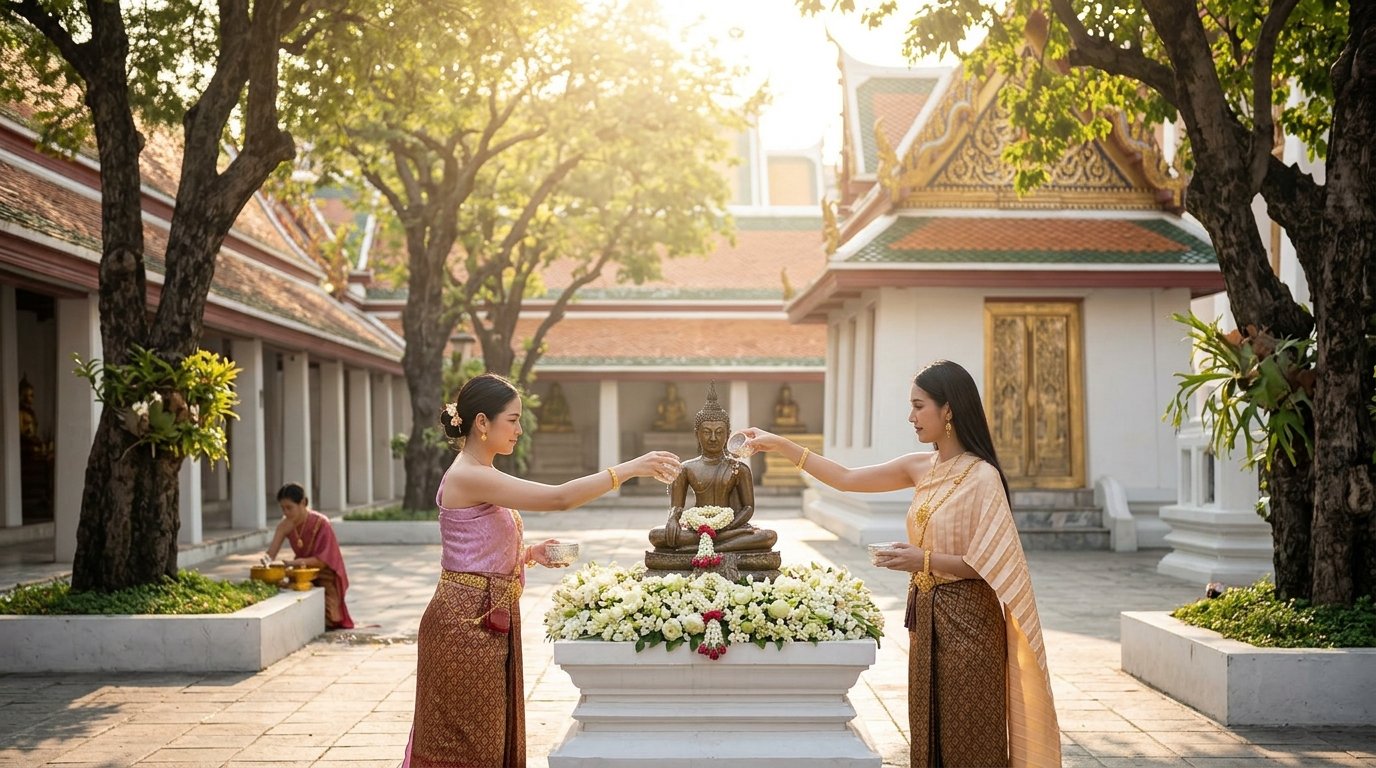
While many know that Songkran in Bangkok is world-famous for its water fights, parties and general mayhem, not every visitor is looking for that kind of crazy, soaking wet atmosphere. Some just want to respect the traditions and enjoy some quality time with Thais.
For many people Songkran evokes images of drunken revelers dousing each other with water in the middle of the road. This is certainly the version of the festival that is pushed by the tourism boards and that most foreign tourists engage in. However, for the vast majority of Thai people Songkran is a time of traditional Thai culture, of merit making and spirituality. In this guide we look at some of the ‘hidden’ aspects of this important festival.
Why “Quiet Songkran” is the 2026 Travel Trend
Based on current trends, in the year 2026, there will be a global phenomenon known as “Slow Travel” where tourists look to immerse themselves in new cultures. While Songkran celebrations are producing events worth over $100M+ with non-stop parties, the true spirit of Thai New Year is in the quiet moments of making merit, wearing orange attire to give alms to monks and seeking good luck from the older generations of Thailand.
Why Explore Temples During Songkran?
While tourists pour onto Khao San Road in droves, the Thai tend to head elsewhere come sunset.
- Make merit (Tam Boon)
- Offer food to monks
- Participate in water-pouring rituals over Buddha statues
- Seek blessings for the Thai New Year
Take the opportunity to seek out some of the quieter temples where one can actually experience the true spirit of Songkran.
Top 5 Low-Crowd Temples to Visit
Wat Ratchabophit (Old City): A mixture of styles in this wats architecture blended with the italian style of the interior decors. This map is rarely ever used for “water fight” maps but is a great map for scenery/shots or merit making.
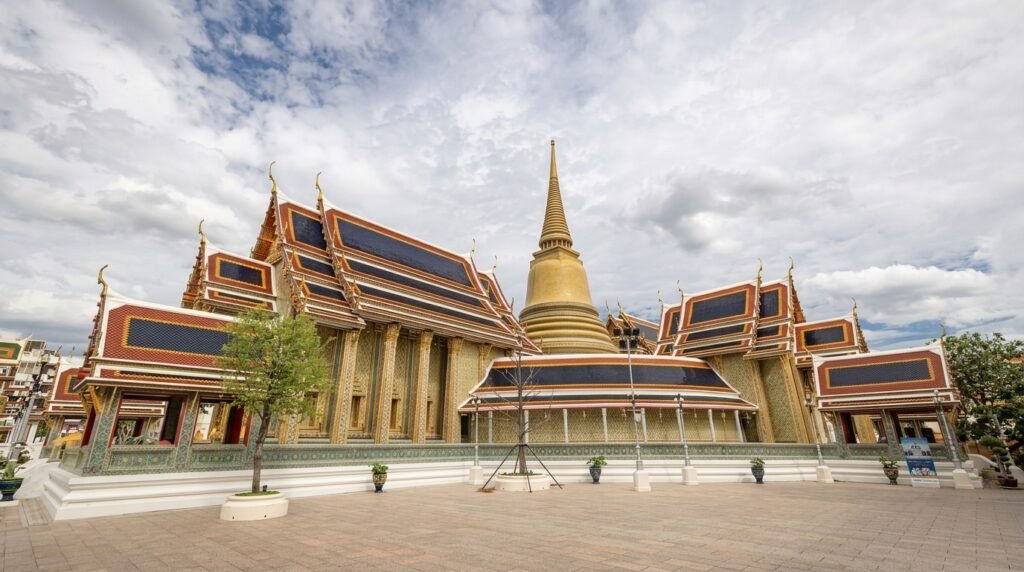
Wat Prayurawongsawat(Thonburi Side):On the other side of the Chao Phraya River is a pretty wat that few tourists visit. This stupa receives UNESCO Cultural Heritage Conservation Award of Excellence in 2013. It is surrounded by several crumbling buildings and a large white pond that is home to many white turtles. This is a local favourite that few tourists know about so you are likely to have the place to yourself.
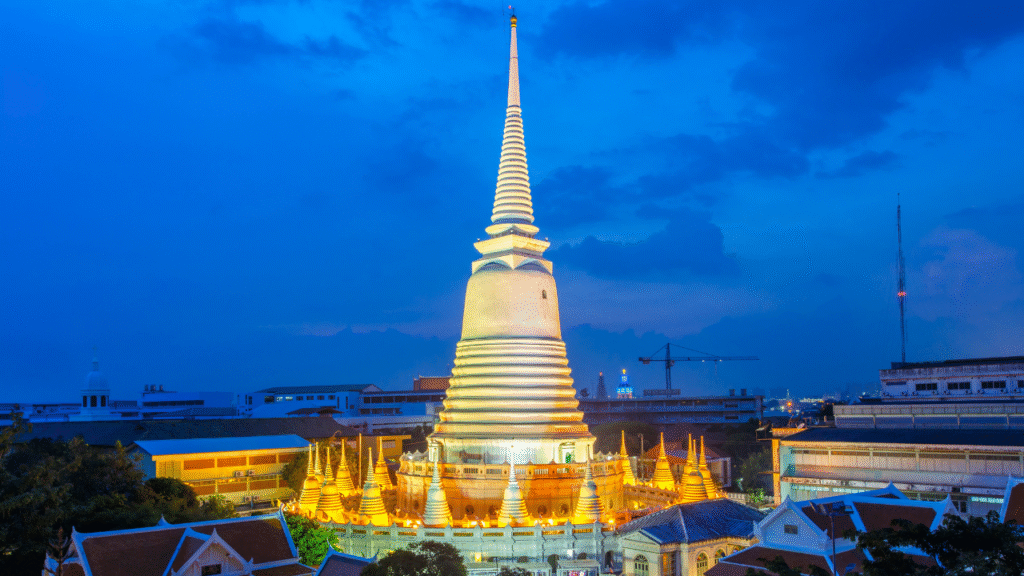
Wat Kalayanamit: Home to the giant Buddha image of Luang Pho To. This wat is somewhat out of the way as you have to take a ferry across the river but it is never as crowded as Wat Arun or Wat Pho.
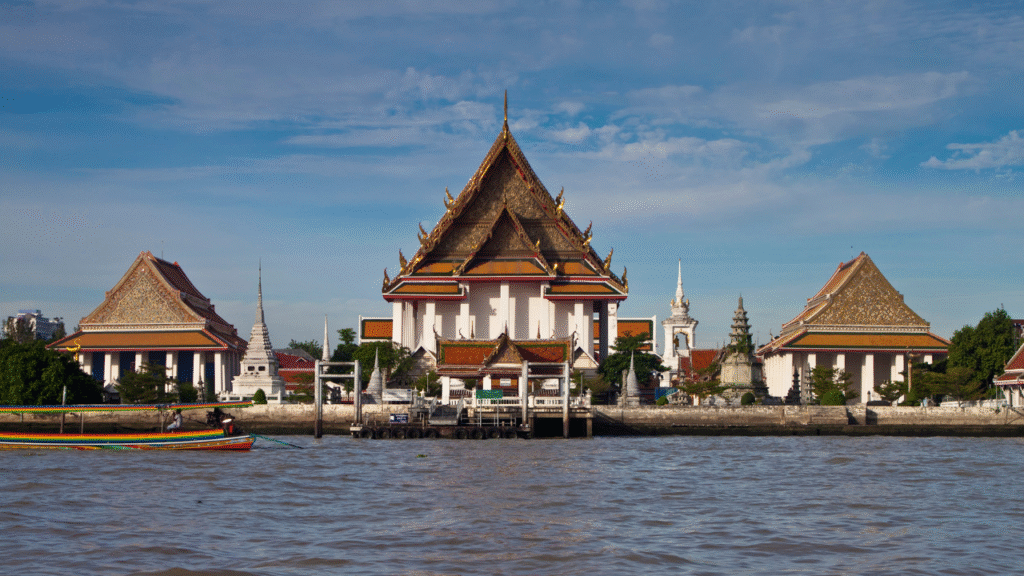
Wat Bowonniwet Vihara: It is one of the royal temples in Bangkok and is related to the Thai monarchy. This is a great venue for those who wish to participate in the Song Nam Phra ritual in a traditional and meaningful way during Songkran.
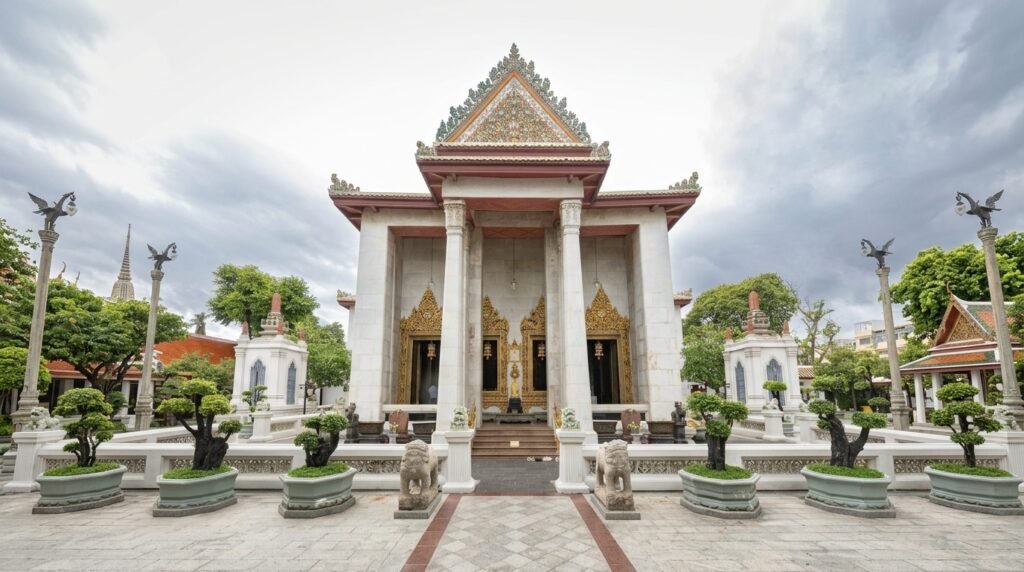
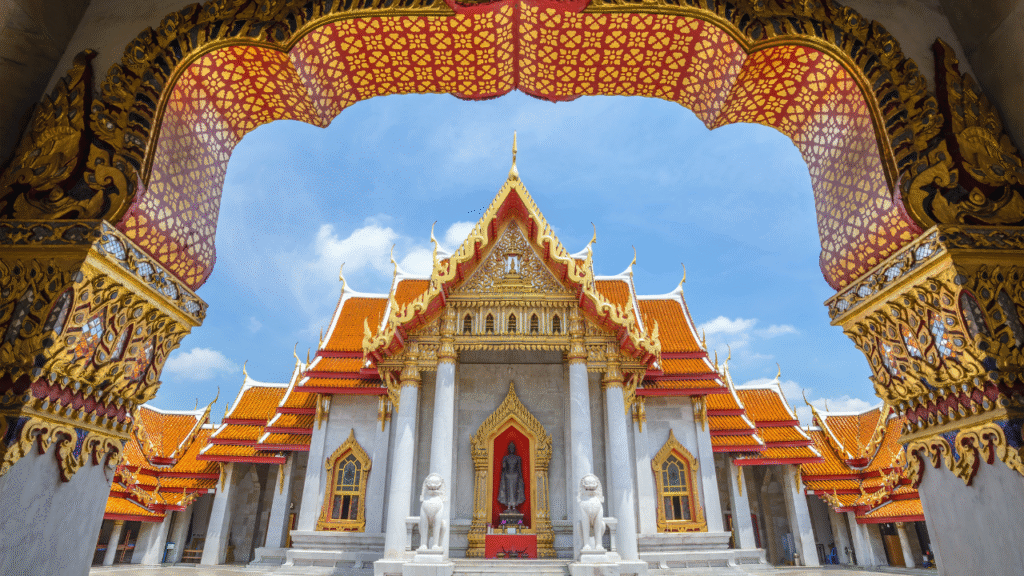
Wat Benchamabophit (The Marble Temple): There is nothing quite like visiting Wat Benchamabophit (The Marble Temple) in the mornings. Known for being laid back before 9:00 AM, New Year will likely add an extra layer of peacefulness as most local people will be celebrating the “Sangkran” festival with family. Outside, at dawn, the elegant simplicity of the building’s white Carrara marble seems to glow and light up in the gentle morning light.
Traditional Rituals You Can Join (Respectfully)
- Song Nam Phra: This sacred rite washes away misery and bad luck by pouring perfumed water over the body of the Buddha image, but not the head.
- Chedi Sai (Sand Pagodas): You can watch the locals making little sand stupas and decorating with flags or even have a go at making your own. This activity represents ‘returning the sand’ to the monastery that the visitors have brought with them on their footwear throughout the year.
- Rot Nam Dam Hua: Young people pour jasmine water onto the hands of the elderly in hopes of receiving their New Year blessings.
Survival Tips for the “Quiet” Traveler
1. The Dry Zone Myth: While true that some quieter temples might conduct ceremonies, that’s a long way from you not getting soaked on the way to them. Also remember to pack your floral Songkran shirt for the occasion (the uniform for 2026 has apparently already been designed) and a waterproof phone case or bag, as even the most spiritual of festivals isn’t immune to a good water throw.
2. Dress Code for Temples: For clothing try to have adequate dress. Make sure you have your knees and shoulders covered. Also people seem to find it quite rude to wear wet t-shirt’s when they are dripping wet just have a light dry sarong or scarf in your bag if it happens. You’re in a temple remember!
3. Be There at the Right Time: While many tourists visit temples in the late afternoon and early evening when temples look their most vibrant and slippery, it is better to visit early in the morning. Watching the real merit making go on is far more interesting and valuable than taking sticky tourist photos. Temple life comes alive at 8:00 am and remains in full swing until 11:00 am when local laity and merit makers typically visit the temple. Avoid the midafternoon siesta time unless you have a particular reason to be there.
Visiting these lower tourist-trafficked temples was an excellent way for us to incorporate more meaningful cultural experiences into our enjoyment of Thailand’s New Year. New Year in Thailand, commonly known as Songkran, is already something that most tourists wouldn’t associate with visiting temples.
Plan Your Peaceful Songkran with Musaafar
We have handpicked a number of experiences to suit all types of traveller, whether you are interested in visiting remote Buddhist Temples, Cultural Heritage Sites or simply want a tailor made travel itinerary.
Skip the crowds. Experience the real Songkran.
Click here to know more :- Book Amazing Thailand Holiday Travel Packages